
In most American cities, art is something you visit. It lives behind admission desks and climate control, and you dress for it. New Orleans has museums, good ones, but the museums were never where the city kept its art. Walk into a po-boy shop on a weekday afternoon and there will be a painting above the register, usually unsigned, usually a little crooked, and nobody on staff can tell you when it arrived. It has simply always hung there. The sandwich would taste different without it.
This is a city that keeps things. Houses are repaired rather than replaced. Recipes are argued about across generations. Furniture outlives its owners and is spoken of by name. Art enters the same economy of keeping. A painting bought here rarely goes to a vault or waits for an appraisal. It goes above the mantel, or into the hallway where the light is bad and the affection is strong, and it stays for fifty years.
The climate has opinions about all of this. Humidity swells stretcher bars, salt air drifts through window screens, and a conservator can date a canvas by its particular pattern of trouble. Painters who stay learn to build for it. Surfaces here are made to be lived with rather than preserved at a distance, and there is a certain honesty in that. A painting that can survive a New Orleans hallway has agreed to become part of a household.
Rooms that run together
The shotgun house may explain more about how this city sees art than any gallery could. There are no corridors. Rooms open one into the next, so whatever happens in the front room, music, grief, an argument about a roux, travels the whole length of the house. Nothing stays contained for long. Art made and kept in rooms like these learns to hold its own in company, without white walls or silence, and it has to survive conversation.
The painter Elena Marlowe, who grew up in one of those houses off Esplanade, has said the layout taught her how a feeling moves through a space before anyone names it. Her paintings are built for such rooms: quiet at a distance, dense up close, able to wait out a dinner party until someone finally stands in front of one and stops talking.
A painting that hangs where people eat is loved differently.
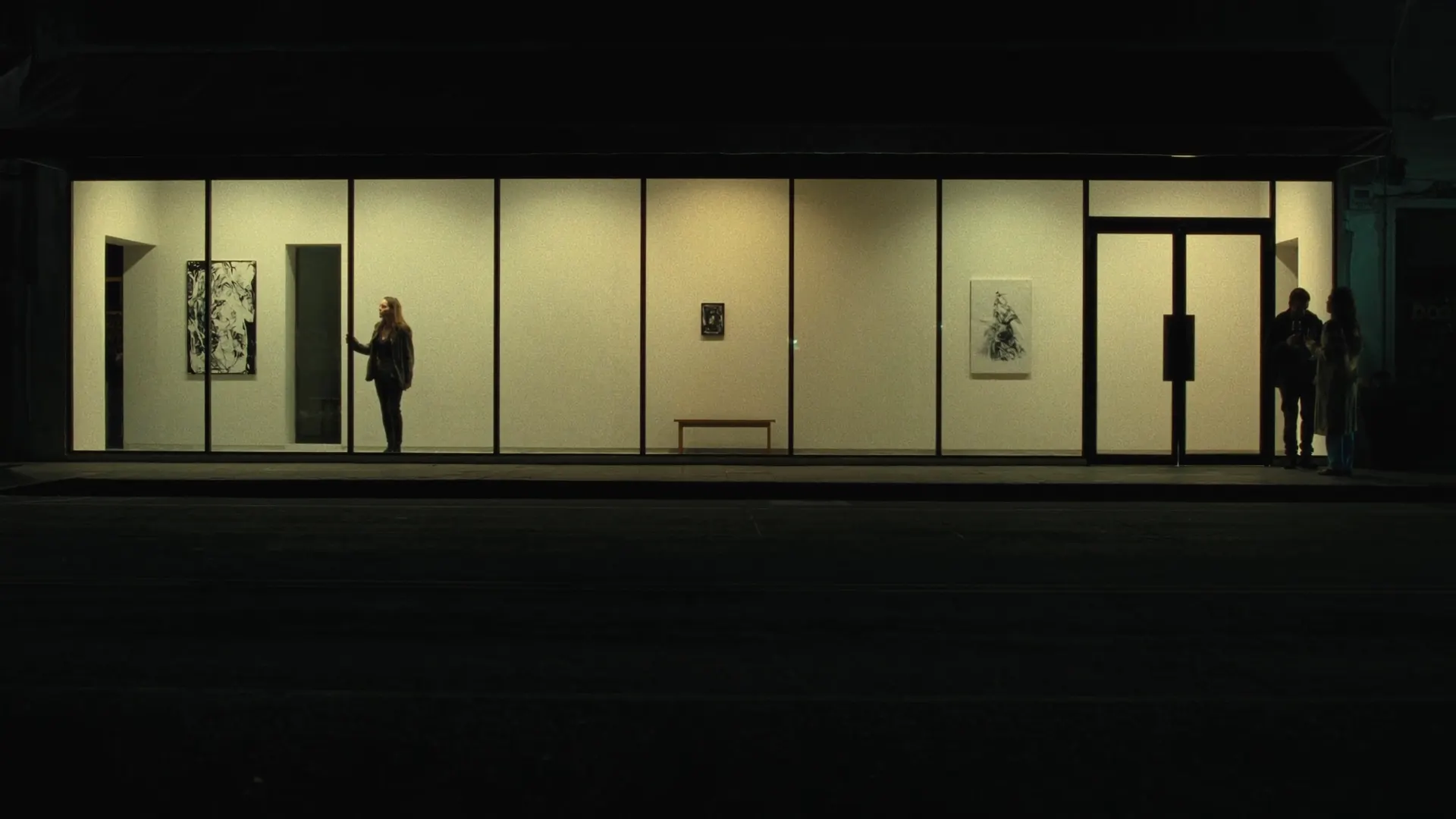
monologue. began in this city because its premise was already local custom: a work of art is inseparable from the life it came out of, and the right way to offer a painting is to tell that life plainly, then step aside. The artists represented here make work meant to be kept close, hung where the household actually happens, read a little differently every year.
Visitors sometimes ask where to see art in New Orleans. The honest answer is almost anywhere, if you look up from your plate.