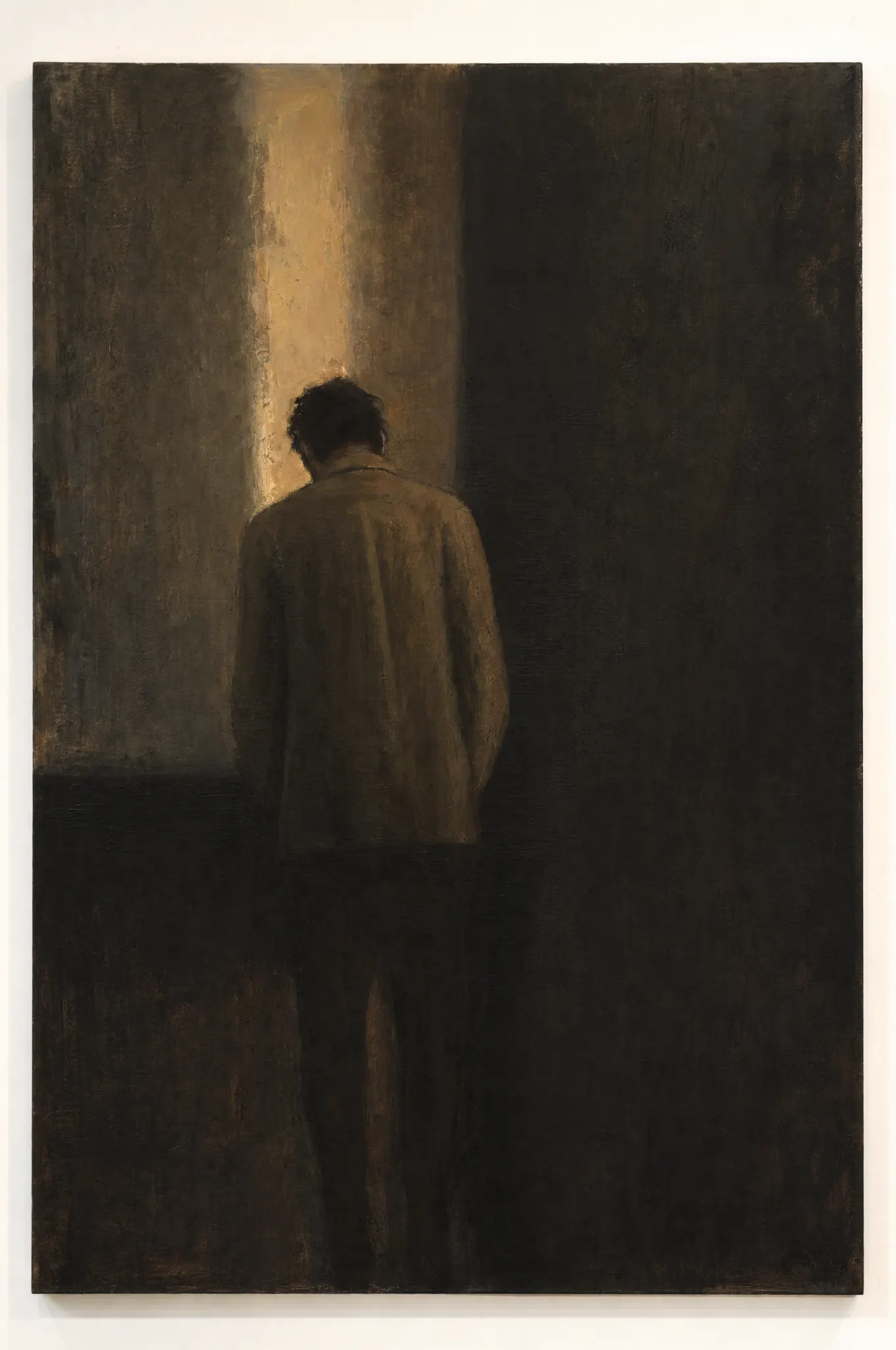
Esplanade, Late
48 × 60 in · oil and cold wax on canvas · 2025
Available · price upon inquiry
Inquire
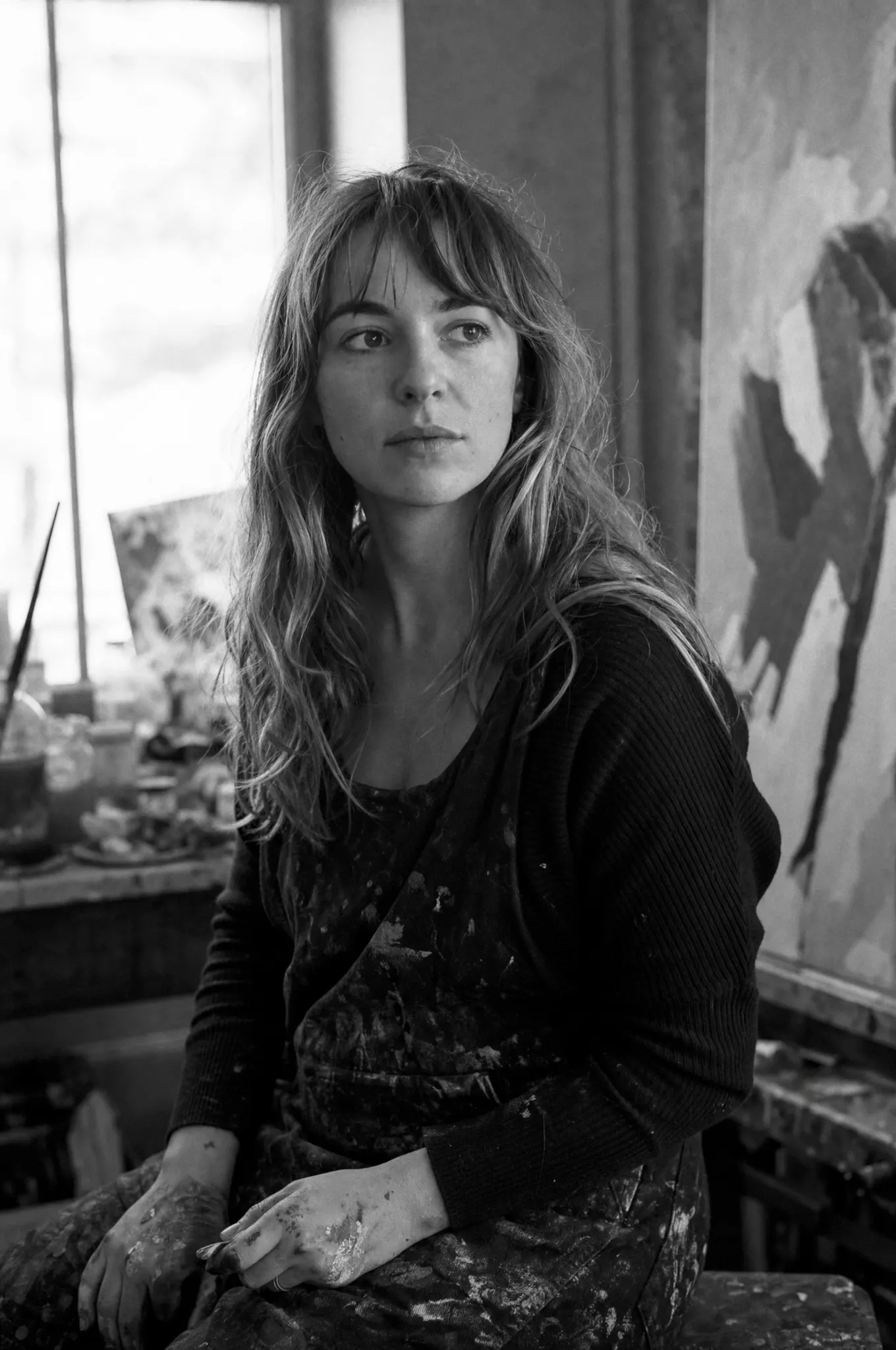
She paints the way some people keep letters, as a way of holding the parts of a life that do not photograph.
inquire about Elena Marlowe →Elena Marlowe grew up in a shotgun house off Esplanade, the kind with rooms that ran one into the next. She has said the layout taught her how a feeling moves through a space before anyone names it. Her mother restored old photographs for a living, and Elena spent her childhood watching faces come back from the edge of being lost.
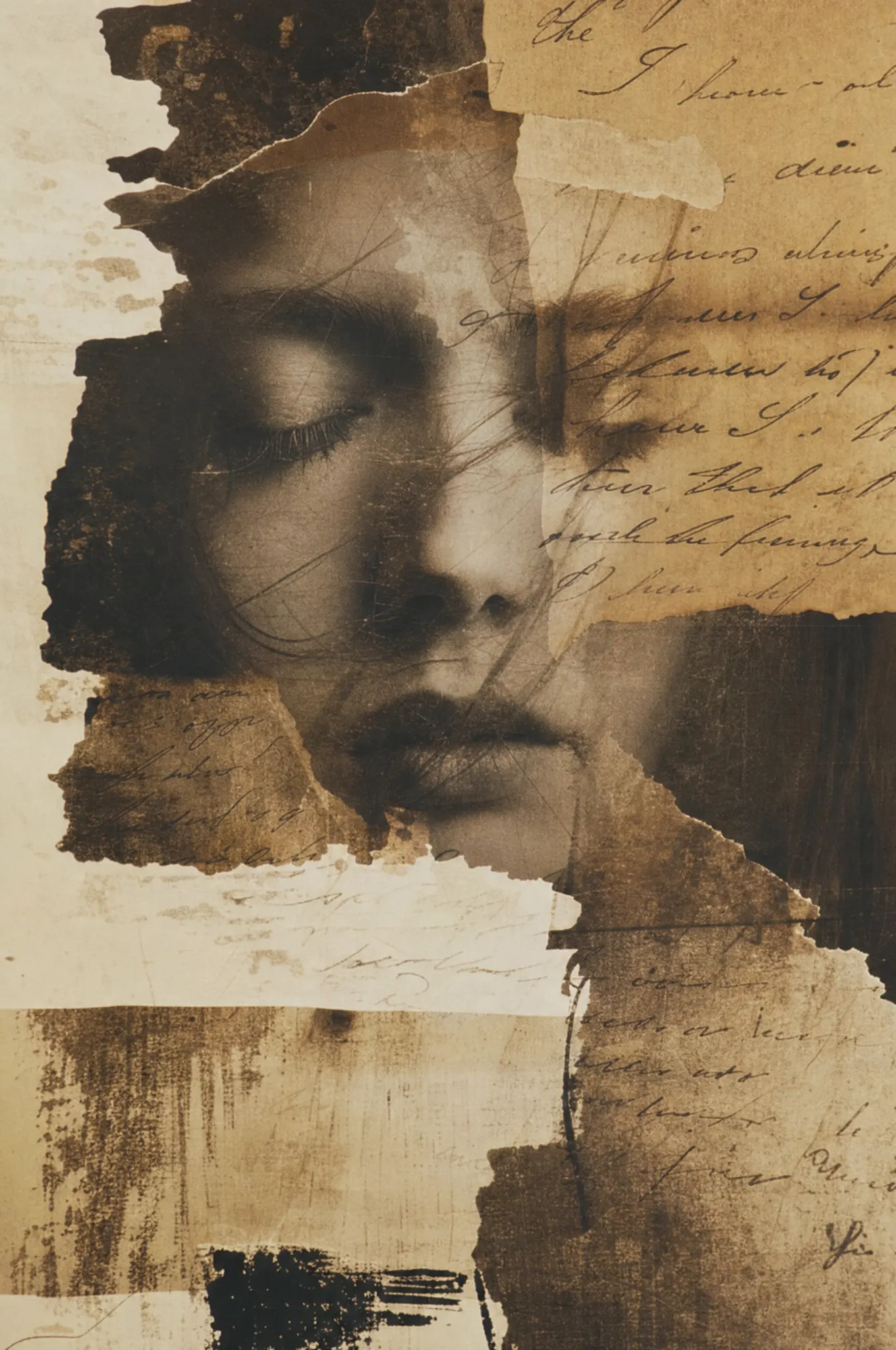
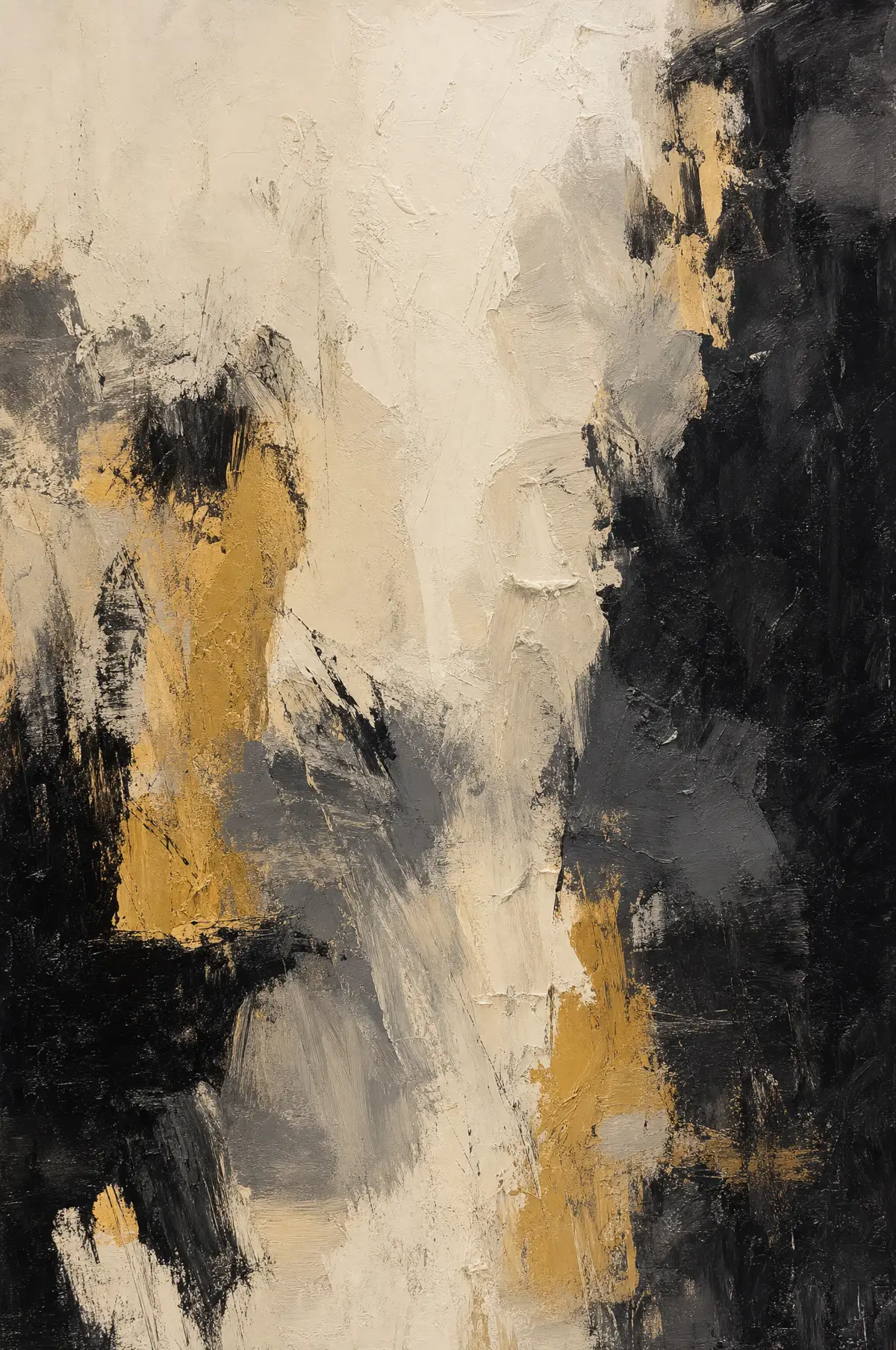
She studied conservation before she studied painting, and for nine years she repaired other people's work. The training shows. She builds a surface in thin layers of oil and cold wax, then takes most of it away, so the finished piece carries the memory of everything it used to be. Color, for her, is never decoration. A particular ochre stands in for her grandmother's kitchen. A bruised violet is the hour after a funeral.
What drives her is closer to attention than ambition. She is trying to hold the parts of a life that do not photograph: the sound of a screen door, the weight of a room after someone leaves it. The challenge, she says, is restraint. A painting is finished when there is nothing left to explain.
This is the life the paintings came from, told plainly enough that a stranger can feel why they had to exist.
Original works only at launch.
Oil and cold wax, works on canvas and panel.
Selected pieces available now.
Every original ships with a signed certificate of authenticity.
Insured worldwide shipping, arranged by monologue.
Crating and white-glove delivery on larger works.
Considered on a limited basis.
Inquire to discuss scale, timing, and approach.
Exclusive representation by monologue.
New Orleans, Louisiana.
Selected Works, New Orleans · 2025
Group Exhibition, New Orleans · 2024
Open Studio, New Orleans · 2023
A note is enough. We reply personally, usually within two days.
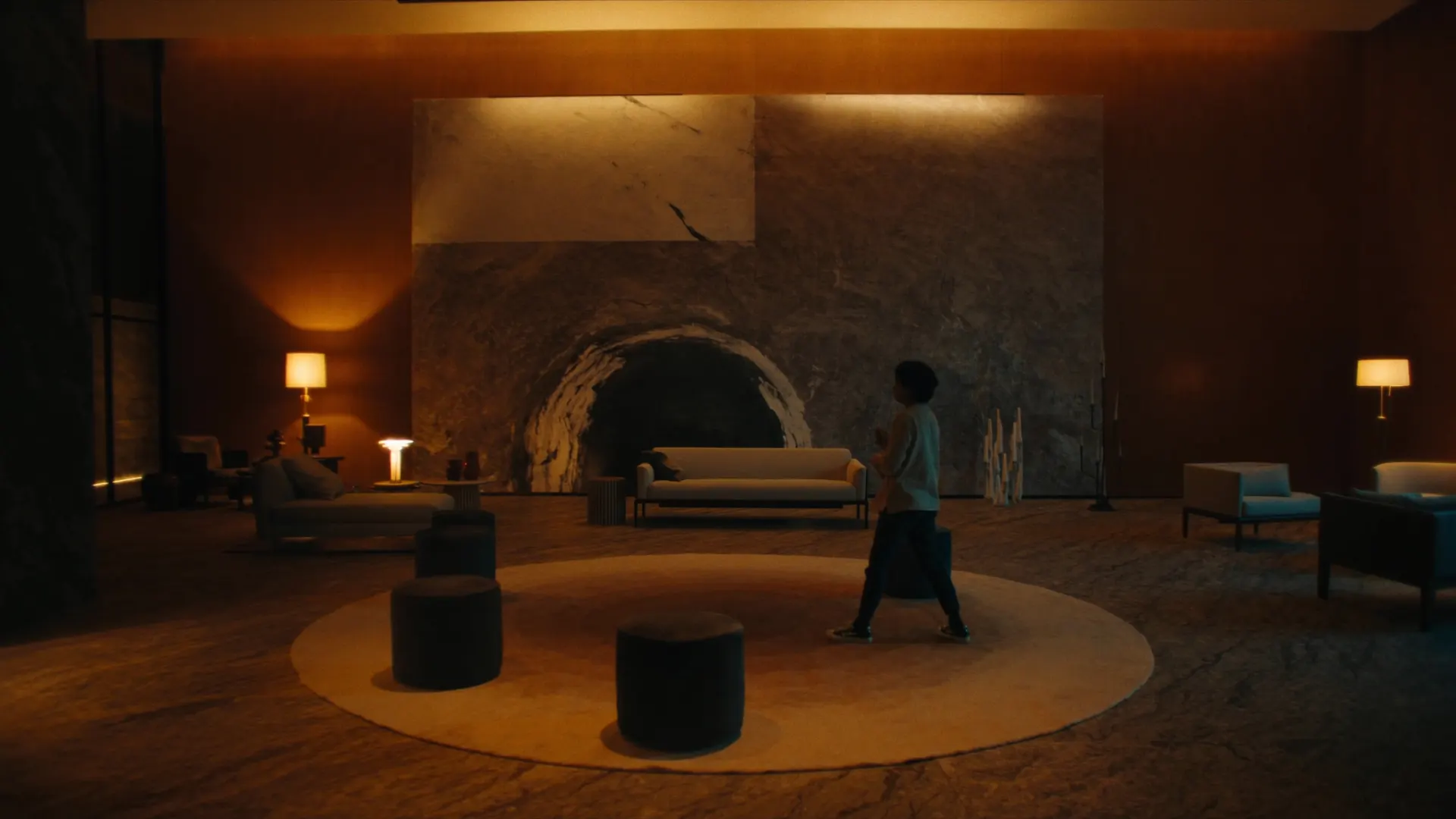
A room shows what a photograph cannot: the scale of the work, and how it sits with the life around it.
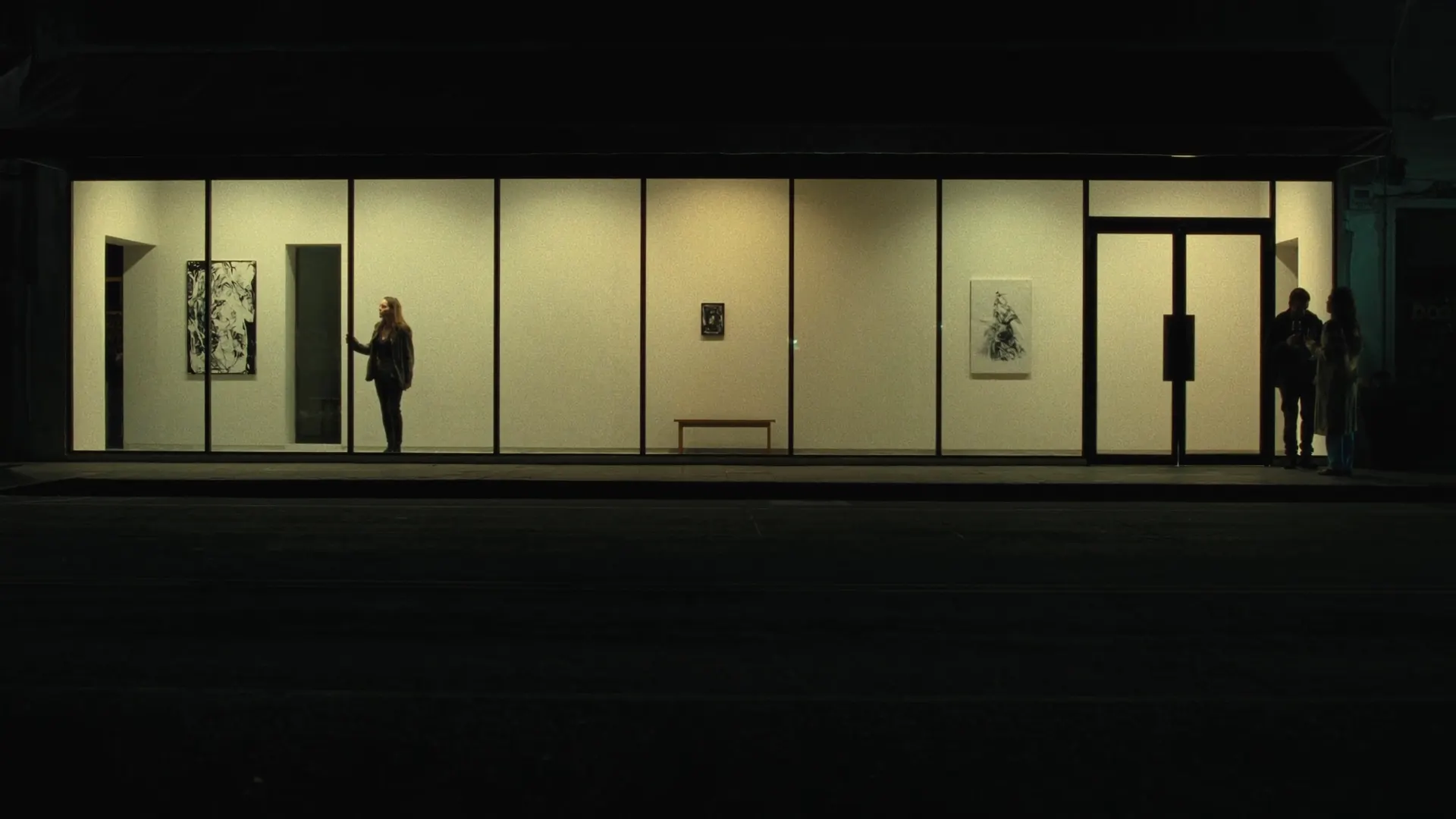
The same piece, on a wall built for it, with the light it was made to be read in.
We represent voices, not inventory.
Elena sees the parts of a life that slip past a camera, and she has the restraint to leave them half-said, which is the hardest thing a painter can do. Her work does not ask to be admired. It asks to be lived with. That is why she is here.